
Charging an EV at home with a Level 2 charger is cheaper and more convenient than public charging, and pairing it with solar and a battery cuts fuel costs further. Most homes need a dedicated 240-volt circuit and may need a panel check to confirm capacity.
Charging your electric vehicle at home is cheaper and more convenient than public charging, and pairing it with solar and storage takes the savings further. This guide covers Level 2 charging, what your electrical panel needs, and how to fuel your car with your own solar.
Level 2 Charging at Home
A Level 2 charger runs on a 240-volt circuit, similar to an electric dryer, and gives most EVs a full charge overnight. It is the standard for daily driving and far faster than a standard household outlet. Installation is permitted and inspected to keep everything safe and code-compliant.
Panel Capacity and Upgrades
Before installation, your electrical panel is evaluated to confirm it has capacity for the added load. If capacity is tight, a load-management device or a panel upgrade keeps everything within code. Handling this correctly avoids overloads and protects your home.
Fueling From Your Own Solar
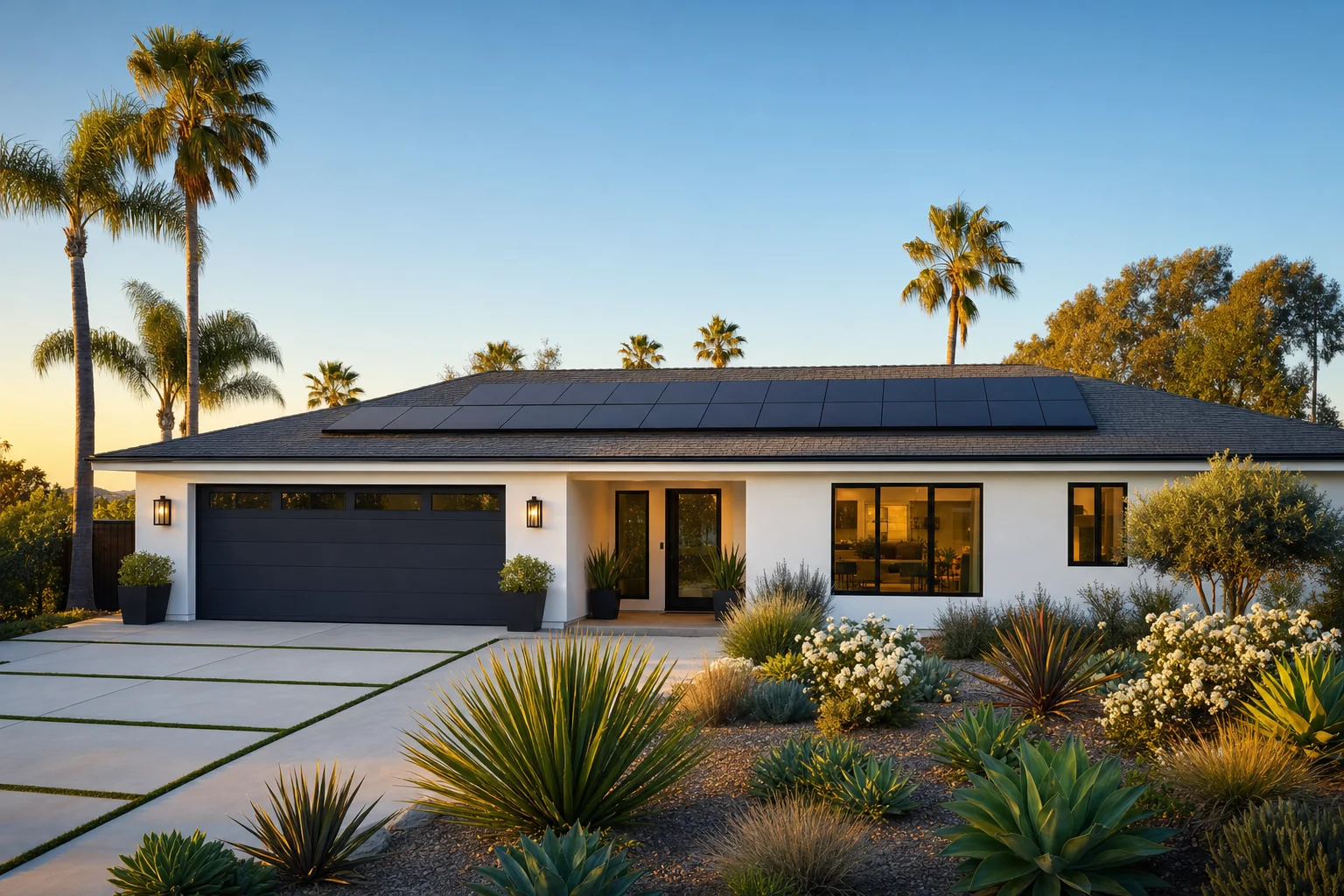
Pairing EV charging with solar and a battery lets you fuel the car with your own production instead of buying peak power from the grid. Charging during the day from solar, or overnight from a battery, is one of the most cost-effective ways to cut both your energy and fuel costs at once.
- A Level 2 charger gives most EVs a full overnight charge.
- Your panel is checked first, with an upgrade only if needed.
- Charging from solar or a battery beats buying peak grid power.
- Installation is permitted, inspected and code-compliant.