
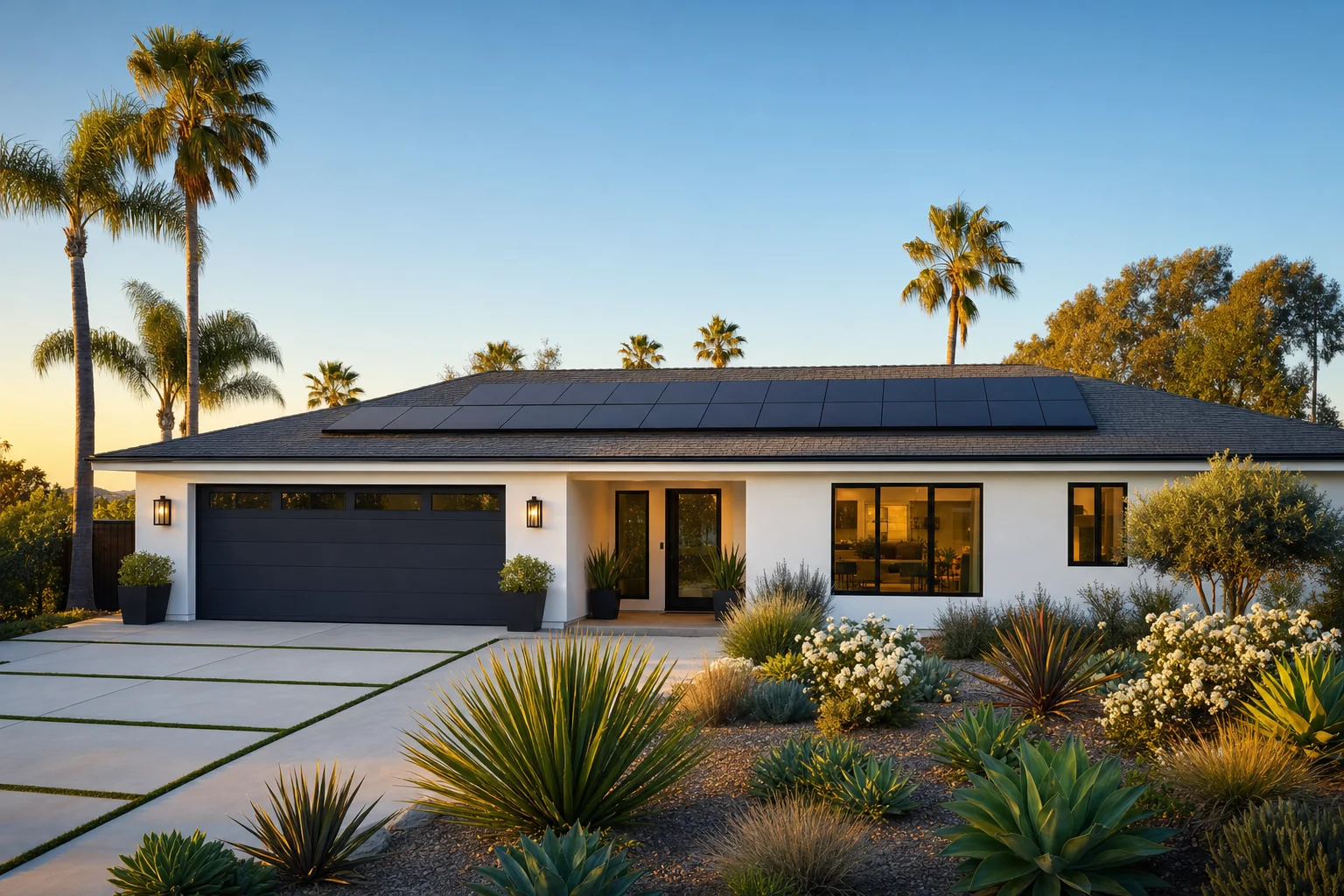
To vet a California solar contractor, verify the CSLB license is active and correctly classified (C-46 Solar, C-10 Electrical, or B General Building), confirm the salesperson holds a Home Improvement Salesperson registration, collect at least three written bids and compare them by price per watt and projected production, and refuse any deal that demands large upfront payment or a same-day signature.
Choosing the wrong solar contractor is one of the most expensive mistakes a California homeowner can make. A poorly installed system underproduces for decades, voids your roof warranty, and can leave you paying for equipment you never fully received. The good news is that vetting a contractor is straightforward once you know the exact checks California law already gives you. This guide walks through each one in order.
Verify the CSLB License First
Every legitimate California solar installer holds an active license from the Contractors State License Board. State law requires the license number to appear on every advertisement, truck, flyer, and website. If you cannot find it, treat that as a stop sign.
Check the license yourself before any conversation goes further. Use the CSLB Instant License Check at cslb.ca.gov, or call (800) 321-2752, and search by license number or business name. Confirm three things: the license is active, the classification covers solar work, and a contractor bond plus workers compensation coverage are on file.
- C-46 (Solar) is the classification written specifically for solar energy systems.
- C-10 (Electrical) covers the electrical work involved in a solar install.
- B (General Building) allows a contractor to handle a project that combines roofing and solar.
- The record should show an active status, a posted bond, and no unresolved disciplinary action.
Green Conception holds CSLB License #964965 and has served California homeowners since 2011. You are encouraged to look it up before you call.
Confirm the Salesperson Registration
The person selling you the system is not automatically the contractor. In California, anyone who sells a home improvement contract on behalf of a contractor must be a registered Home Improvement Salesperson, and that registration requires passing a background check. Ask for the HIS registration number and verify it the same way you verified the license.
A salesperson who cannot produce a registration number, or who works for a lead-generation company rather than the licensed installer, is a signal to slow down.
Get Three Written Bids and Compare the Right Numbers
Collect at least three written bids and make sure each one covers identical scope, so you are comparing the same project. Do not automatically accept the lowest bid. A price that is far below the others usually means the contractor missed part of the work or is using lower-grade equipment.
- Price per watt, which normalizes cost across different system sizes.
- Projected annual production in kilowatt-hours, not just panel count.
- The exact panel, inverter, and battery models, with their warranties.
- What is included, such as electrical panel upgrades, permits, and interconnection.
A clear, itemized quote is itself a sign of a serious contractor. If a bid is a single lump-sum number with no detail, ask for the breakdown before you compare.
Read the Required Disclosures Before You Sign
California law entitles you to documents that protect you, and a reputable contractor provides them without being pushed. You have the right to review the full Solar Consumer Protection Guide and the CSLB Solar Energy System Disclosure Document, which states the total cost and your financial obligations on a single cover page.
You also have the right to read everything on paper, at your own pace, not rushed through a tablet while a salesperson waits. If anyone pressures you to sign before you have read the contract in full, that pressure is the problem.
Protect Your Payments and Your Roof
Keep control of your money until the work is done. Do not let a lender release loan funds to the contractor before the system is installed and operational, and do not pay a large deposit up front. Ask for signed mechanics lien release forms from the contractor and any subcontractors so you are not billed twice for the same materials.
Because solar attaches to your roof, the condition of that roof matters. A contractor who can handle both the roof and the solar under one license, like a B General Building contractor, keeps a single team accountable for the whole system and protects your roof warranty.
Watch for the Red Flags
Most solar complaints trace back to a short list of warning signs. Any one of these is a reason to pause. Several together mean you should walk away.
- High pressure to sign the same day, or a discount that disappears if you wait.
- A bid far below every other quote you received.
- A demand for full payment or a large deposit before work begins.
- No physical California address and no CSLB license number in the advertising.
- A salesperson with no Home Improvement Salesperson registration.
- Reluctance to give you the written contract and disclosures to read on your own.
Vetting a contractor takes an afternoon. It protects a system you will live with for twenty-five years or more. Run the checks above, and you will separate the serious California installers from the ones to avoid.